.png)
Cost Analysis of Wearable Safety Monitors: Heat Stress Solutions
- Jan 18
- 3 min read
Heat stress is a serious risk in many workplaces. It can cause illness, reduce productivity, and even lead to fatal incidents. Organizations need effective tools to protect their workers. Wearable heat stress monitors offer a promising solution. But how much do they cost? And are they worth the investment? I dive into the details to help you understand the wearable heat stress monitor cost and what it means for your safety strategy.
Understanding Wearable Safety Monitors Cost
When considering wearable safety monitors, cost is a key factor. These devices vary widely in price depending on features, accuracy, and brand. Basic models might cost a few hundred dollars per unit. Advanced monitors with real-time alerts, cloud connectivity, and detailed analytics can run into thousands.
Here’s what influences the cost:
Sensor technology: More precise sensors cost more.
Data integration: Devices that sync with apps or platforms add value.
Durability: Monitors designed for harsh environments are pricier.
Subscription fees: Some systems require ongoing service charges.
Investing in these monitors means balancing upfront expenses with long-term benefits. The right choice depends on your workforce size, heat exposure level, and safety goals.
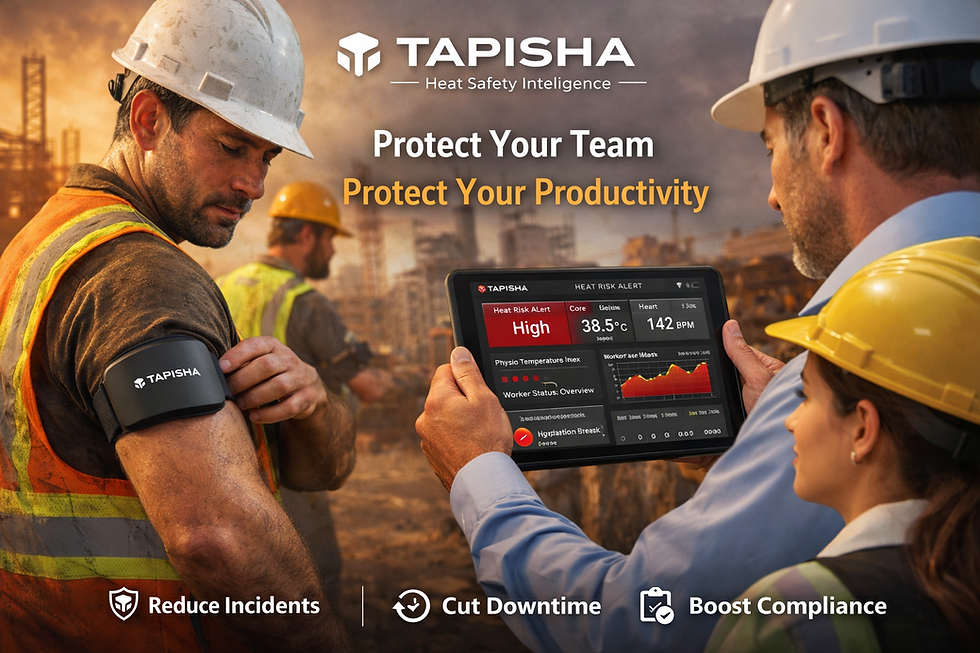
Why Investing in Heat Stress Monitoring Pays Off
Heat-related incidents can be costly. They lead to medical expenses, lost workdays, and legal liabilities. Wearable monitors help prevent these by providing early warnings. This proactive approach saves money and lives.
Consider these benefits:
Reduced heat illness cases: Early alerts allow workers to take breaks or hydrate.
Improved productivity: Healthy workers perform better.
Compliance with safety regulations: Monitors help meet legal requirements.
Data-driven decisions: Analytics identify high-risk areas and times.
The initial cost of monitors is often offset by these savings. For example, a company with 100 workers exposed to heat might spend $50,000 on monitors and subscriptions. But avoiding just a few heat stroke cases can save much more in medical and downtime costs.
What is a good tool to evaluate heat stress risk?
Evaluating heat stress risk requires reliable tools. Wearable monitors are among the best because they track individual exposure in real time. They measure factors like skin temperature, heart rate, and sweat rate. This data helps assess risk accurately.
Other tools include:
Wet Bulb Globe Temperature (WBGT) meters: Measure environmental heat stress.
Heat index charts: Estimate risk based on temperature and humidity.
Manual observation: Supervisors watch for signs of heat strain.
Wearable monitors stand out because they provide continuous, personalized data. This allows for immediate action rather than waiting for symptoms to appear.

How to Choose the Right Wearable Heat Stress Monitor
Choosing the right monitor means matching features to your needs. Here are key factors to consider:
Accuracy: Look for devices tested in real-world conditions.
Comfort: Workers must wear them all day without discomfort.
Battery life: Long-lasting batteries reduce downtime.
Connectivity: Real-time alerts via mobile or desktop apps improve response.
Data management: Easy access to reports helps track trends and compliance.
Cost-effectiveness: Balance price with features and durability.
Ask vendors for demos and trial periods. Involve workers in testing to ensure acceptance. Remember, the best monitor is one that gets used consistently.
Implementing Wearable Heat Stress Monitors in Your Workplace
Deploying these monitors requires planning. Here’s a step-by-step approach:
Assess heat risk areas: Identify where workers face the highest heat exposure.
Select appropriate devices: Based on your evaluation criteria.
Train workers and supervisors: Explain how to use monitors and respond to alerts.
Set protocols: Define actions when heat stress warnings occur.
Monitor data regularly: Use insights to improve safety measures.
Review and adjust: Continuously improve based on feedback and results.
This structured approach maximizes the impact of your investment.
Final Thoughts on Wearable Heat Stress Monitoring Investment
Heat stress is a hidden danger that demands attention. Investing in wearable monitors is a smart move to protect workers and reduce costs. Understanding the wearable heat stress monitor cost helps you plan your budget wisely.
These devices offer real-time data, early warnings, and actionable insights. They empower organizations to create safer, healthier workplaces. Don’t wait for an incident to happen. Take control of heat stress risks today with reliable wearable safety monitors.
Your Health-Key is committed to providing scalable, effective heat stress monitoring solutions. Protect your workforce and improve safety with the right technology. The cost of prevention is always less than the cost of a heat-related emergency.


Comments